




Prepare chimneys and homes for heating season
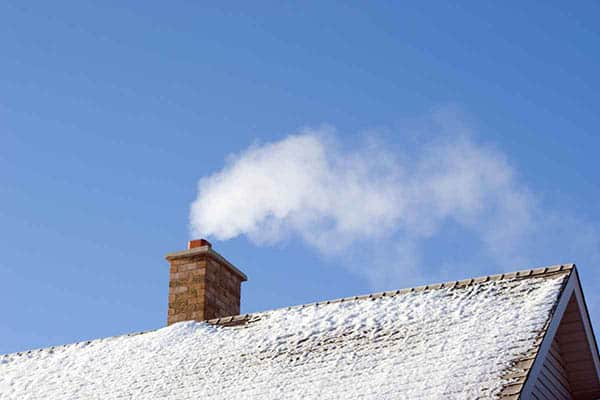 RICHMOND—As fall temperatures arrive in Virginia, homeowners are preparing for the colder months ahead.
But before lighting the first fire of the season in a fireplace or woodstove, homeowners should have chimneys and heating equipment inspected by qualified professionals, and cleaned or repaired as necessary.
“Chimney cleaning is a critical part of home maintenance,” said Scott DeNoon, Virginia Farm Bureau’s vice president of underwriting and policy services. “Scheduling annual cleanings and inspections are simple steps homeowners can take to keep their systems operating safely, and help protect their homes, families and health throughout the cold season.”
Professional inspections can uncover issues before they become disasters, DeNoon noted. Creosote buildup, cracks, deterioration or obstructions can create fire hazards and prevent smoke and gases from venting properly.
Heating equipment is one of the leading causes of home fires. According to the National Fire Protection Association, fire departments responded to an estimated average of 38,881 home heating equipment fires annually from 2019-2023. Those fires resulted in 432 civilian deaths and led to $1.1 billion in property damage.
While chimney fires can announce themselves with loud cracking, popping and rumbling noises, dense smoke and flames, most go undetected. The Chimney Safety Institute of America notes that slow-burning chimney fires may lack air or fuel to be visible, yet still reach temperatures high enough to damage chimneys and nearby parts of the house.
A blocked or damaged chimney also can allow carbon monoxide to seep into the home. Known as “the invisible killer,” carbon monoxide is an odorless, colorless gas produced by fuel-burning appliances that can lead to sudden illness or death if inhaled. The NFPA reports that fire departments responded to over 82,000 CO incidents in 2023.
Safety officials recommend installing lab-tested carbon monoxide alarms in a central location outside each sleeping area and on every level of the home. Test the alarms monthly and replace batteries when they run low.
Smoke alarms are equally important. They should be placed on every floor, including the basement, inside bedrooms and outside each sleeping area. The NFPA states that over one-third of home fire deaths occur in fires where no smoke alarms are present, and working smoke alarms reduce the risk of dying in a home fire by 60%.
Alongside annual professional cleaning and inspections, residents can follow these tips to stay safe and prevent fires:
- Keep anything that can burn at least 3 feet from your fireplace or woodstove.
- Don’t burn paper in fireplaces or woodstoves.
- Put the fire out before going to bed or leaving home.
- Place ashes in a metal container with a lid, and keep it outside at least 10 feet from your home.
- Keep a glass or metal screen in front of fireplaces to prevent embers or sparks from jumping out.
- Keep woodstove doors closed unless loading or stroking the fire.
- Ensure your woodstove has been tested by a qualified testing laboratory.


October 8, 2026 @ 1:17 pm
Do any of the government grant program for the elderly cover chimney inspections?